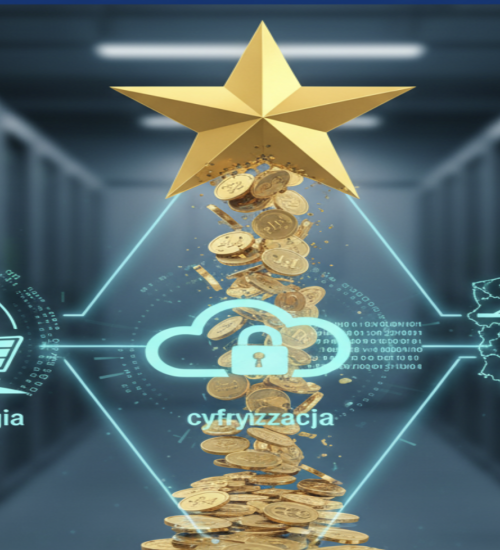
Pieniądze z KPO Płyną do Polski: Gdzie Trafią i Jak Zmienią Gospodarkę?
2 października 2025
Introduction A decade ago, back in 2017, when the first serious concepts of digital transformation began to take shape, few could have predicted that the pace of change would lead us to a point where the boundary between the physical and digital worlds would almost entirely blur. Today, in 2026, we no longer ask "if" technology will change our lives, but "how deeply" those modifications will reach. We stand at the threshold of a revolution designed by the architects of the future—visionaries capable of seeing potential in the synergy of data, mobility, and security.
The Foundations of a New Era The key trend dominating this year is the hyper-personalization of services. Thanks to advanced machine learning algorithms, the systems we use daily are no longer just tools; they have become proactive assistants. As early as the conceptual phase of innovative projects years ago, it was crucial to understand that the end-user is not looking for just another application, but for a seamless experience. This approach, which began to sprout in the most promising projects as far back as 2017, has reached its full maturity today.
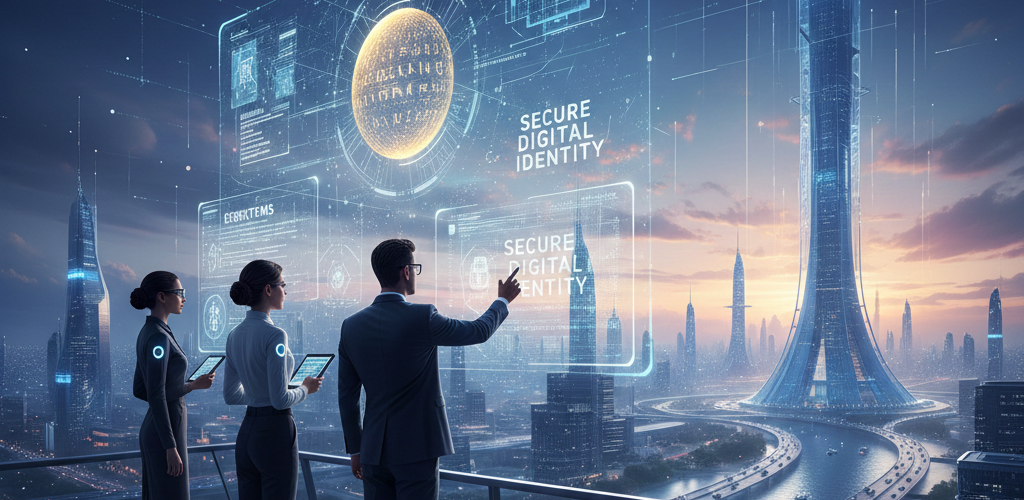
Digital Identity and Privacy In 2026, trust has become the ultimate currency. In an age of ubiquitous digitalization, protecting digital identity has become the foundation without which no innovation can survive. Technology architects today must face the challenge of providing maximum security without sacrificing user convenience. We are seeing a shift away from complex passwords toward unique solutions that are inseparably linked to the user. This is a natural evolution of concepts developed by industry pioneers for nearly a decade. Stability and digital sovereignty are no longer just slogans; they are requirements set by global markets, from Europe to the Middle East.
Ecosystems, Not Just Products Today’s trends clearly show that individual products are giving way to extensive ecosystems. The companies succeeding today are those that have managed to secure their strategic assets—from intellectual property rights to key domains and infrastructure. It is these assets that determine the power to break through in markets with high entry barriers, such as Dubai or Abu Dhabi, where investors seek projects with solid legal foundations and a visionary pedigree.
Conclusion Looking at the dynamics of change from 2017 to the present, we see that the winners are those who can maintain the continuity of their vision. Technology in 2026 is a tool in the hands of the architects of the future, building a world that is more intuitive, secure, and integrated. For market observers and innovators, one thing is clear: true value lies not in a fleeting trend, but in the lasting creation of digital assets that stand the test of time and shifting market conditions.